By Taylor Peel
English/Communication ’27
Henry Gawron, a Trine University chemistry major, spent his summer gaining hands-on
research experience through the University of Nebraska’s Summer Research Program (SRP).
The 10-week program gave the senior from Oak Lawn, Illinois, the chance to work in
a university research laboratory and explore an area of chemistry beyond what he typically
encounters in the classroom.
How compounds behave
Working under Andrej Rajca, Ph.D., and Ph.D. candidate Manish Bhandari, Henry researched
thermally ultra-robust tetrazolinyl radicals.
While the topic is highly specialized, Henry’s work centered on learning more about
how certain chemical compounds behave and how researchers can develop compounds that
remain stable under high temperatures. The experience gave him a chance to work directly
with chemical research while learning more about the day-to-day process of conducting
experiments.
Research also gave Henry a better understanding of something that textbooks cannot
always demonstrate: Experiments do not always produce the expected results.
“One of the biggest takeaways I experienced is that research in chemistry doesn’t
always go smoothly,” Henry said. “What mattered most was moving forward and hoping
for new, favorable results.”
For Henry, learning how to respond when an experiment did not go as planned became
an important part of the experience. Research often requires patience and persistence,
and unexpected results can lead researchers to change their approach and try again.
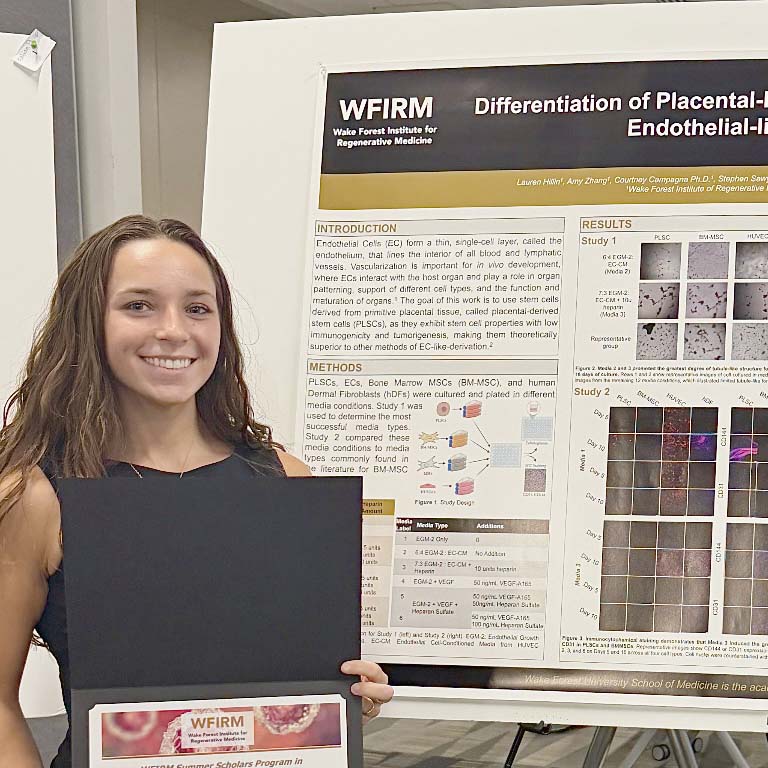
At the end of the program, Henry presented his work through a research poster. The
presentation gave him an opportunity to explain what he had worked on during the summer
and share his findings with others in the program.
Working, playing together
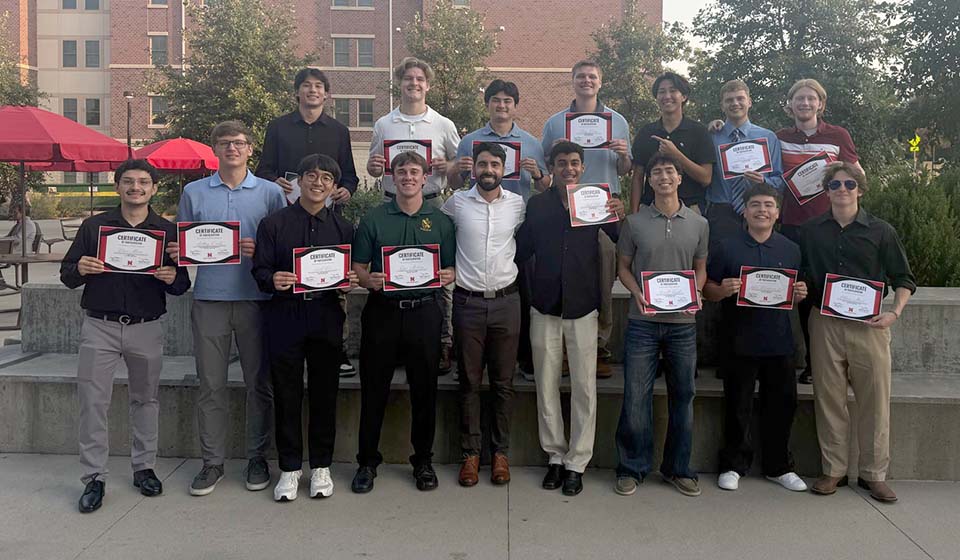
Outside of the laboratory, Henry also enjoyed getting to know other students participating
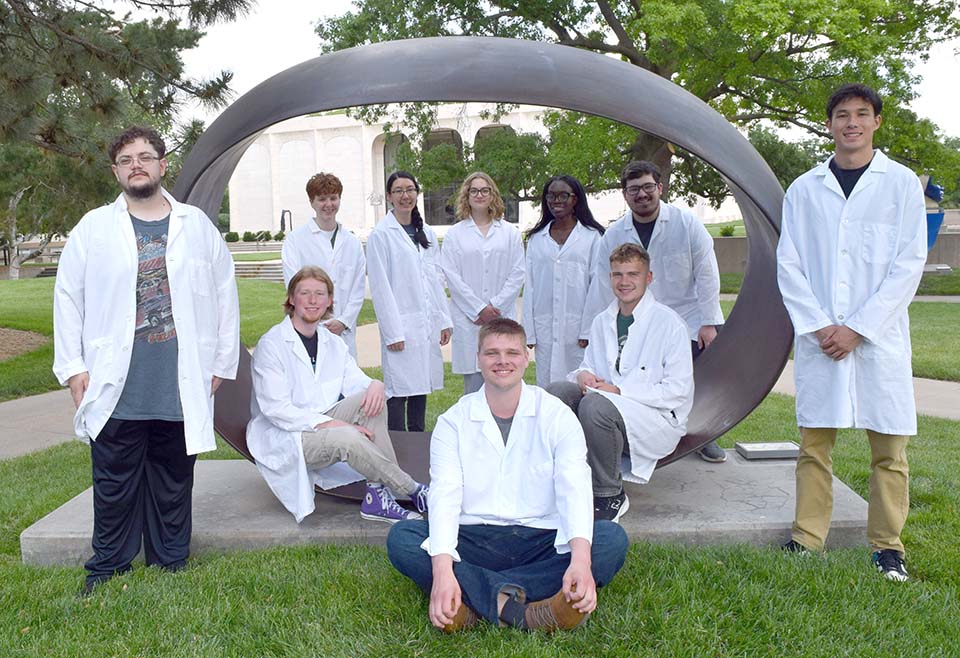
in the SRP. The students came from a variety of research backgrounds, including nanotechnology
and sustainability. Although they worked on different projects, they had plenty of
opportunities to spend time together outside the lab.
Henry and the other students played sports and participated in activities together
throughout the summer. Getting to know students with different academic interests
gave Henry the opportunity to hear about other areas of research and learn about experiences
that differed from his own.
The combination of laboratory work and time with other students made the summer a
memorable part of Henry’s college experience. He returned to Trine with a better understanding
of what research looks like outside the classroom and a greater appreciation for the
persistence that scientific work requires.
For Henry, the summer also provided an opportunity to put his chemistry education
into practice. Instead of simply learning about chemical concepts, he spent 10 weeks
working through the challenges that come with conducting research and communicating
scientific findings.