
100%
Graduate placement
Bachelor’s
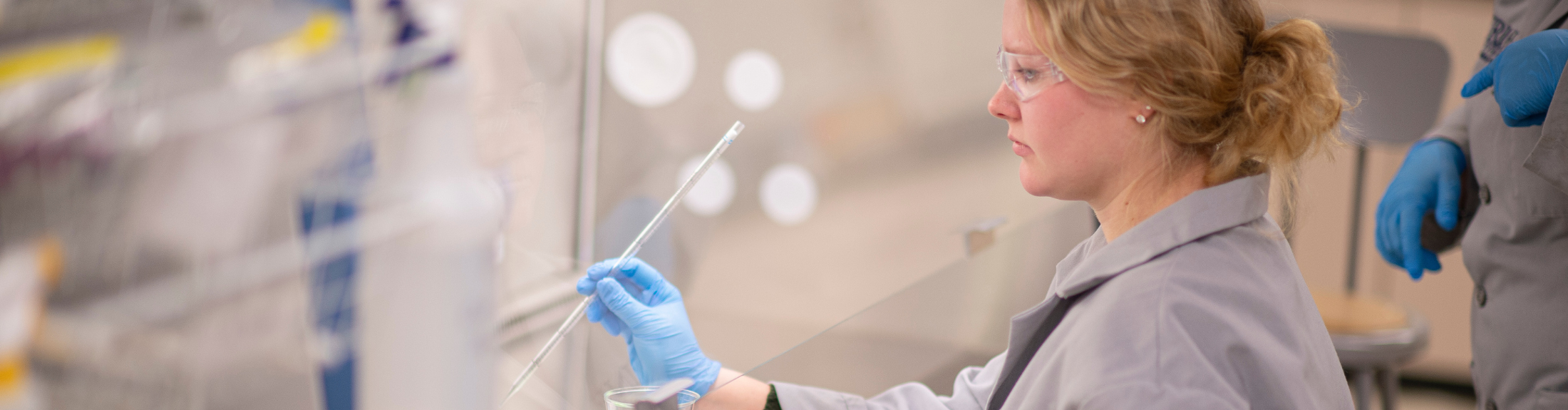
The Bachelor of Science in biomedical engineering at Trine University integrates the design and problem-solving skills of engineering with the essential knowledge of medical and biological sciences. You will have the option to hone your interests and goals with one of three concentrations: research, electrical or mechanical engineering.
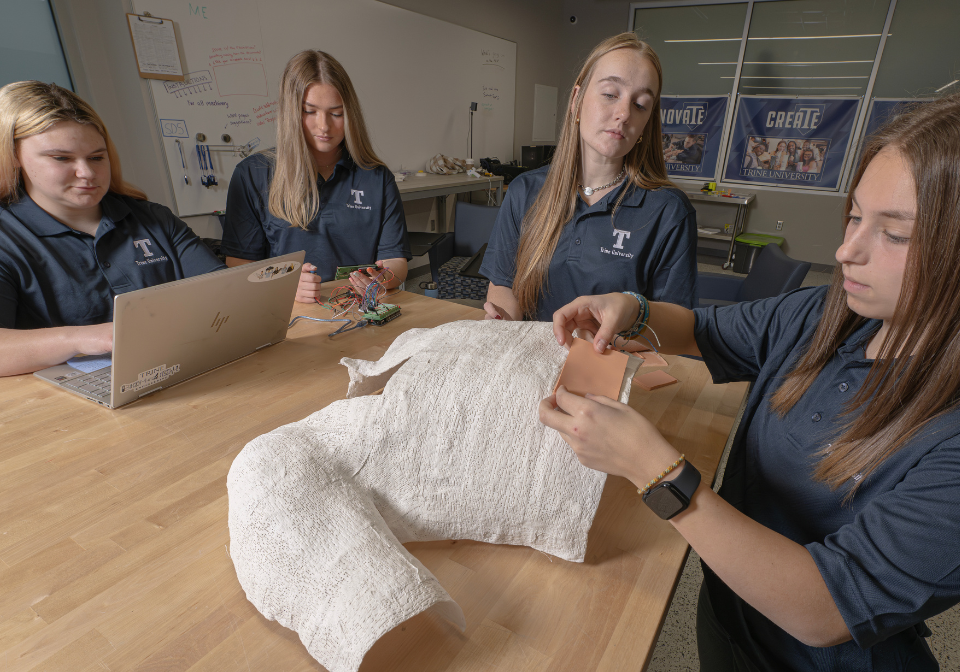
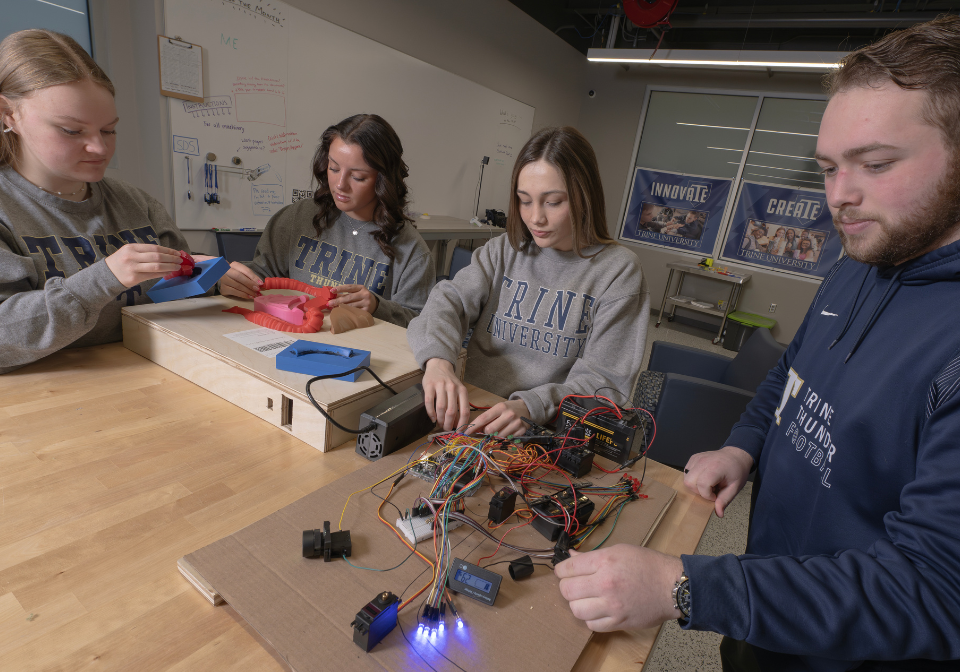
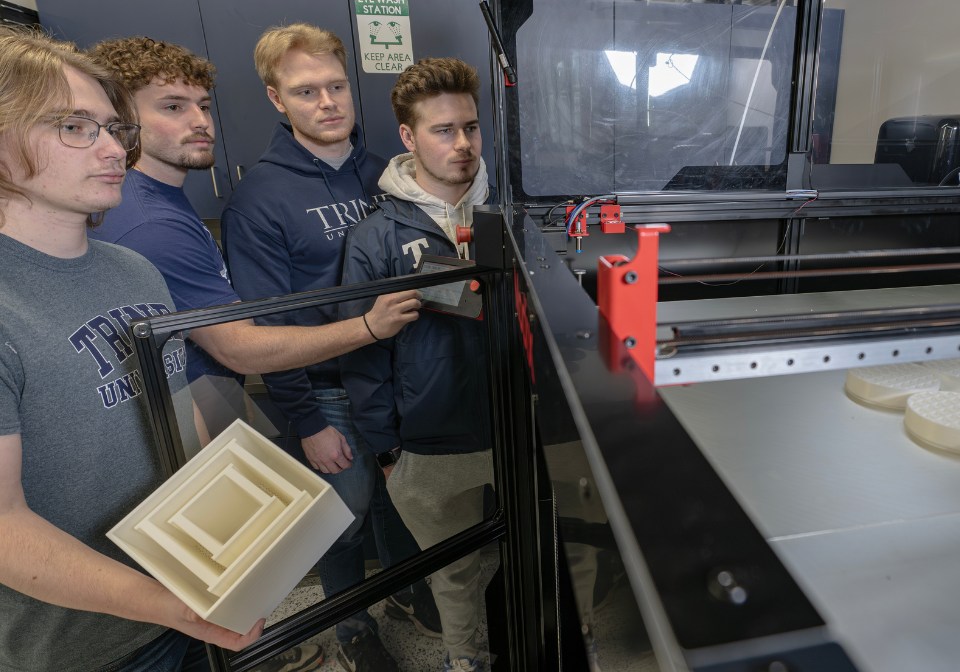
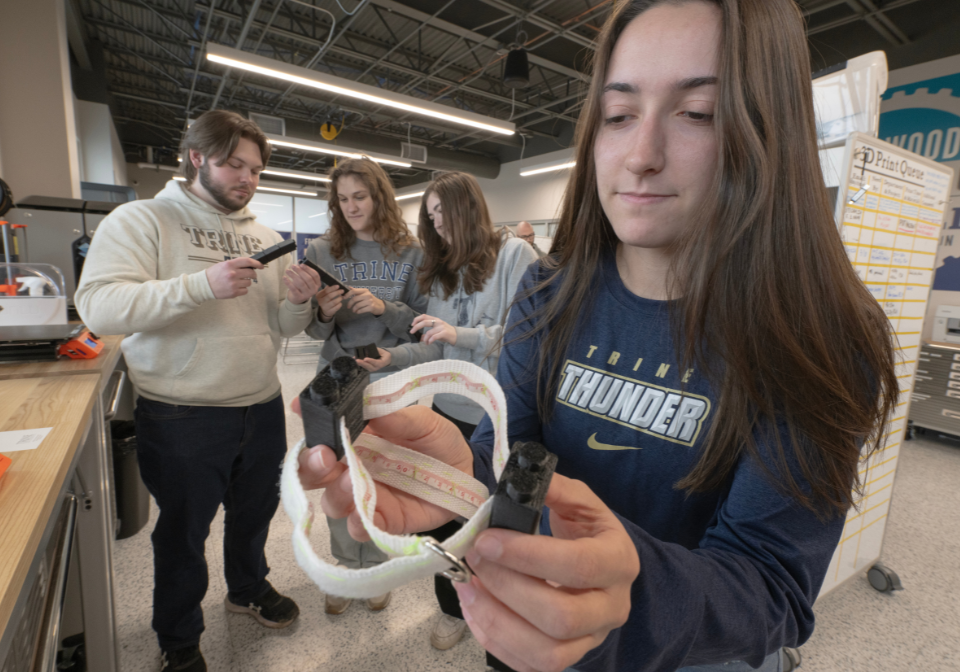
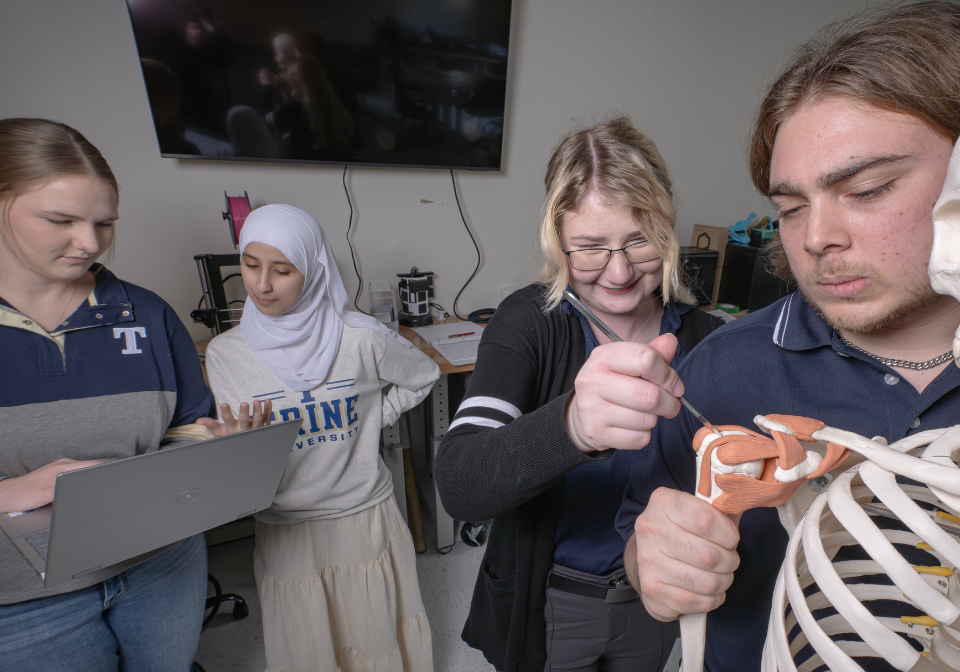
The Bachelor of Science in biomedical engineering program at Trine prepares you for a successful career in industry and graduate school. With an experience-driven approach to student learning, 95% of the biomedical engineering courses you take will have a hands-on component. Plus, you will have access to state-of-the-art engineering laboratories as well as various labs in the Jannen School of Arts and Sciences.
As a biomedical engineering student at Trine, you will have access to labs that house:
During your time as a biomedical engineering student at Trine, you will experience:
The biomedical engineering program follows a project- and laboratory-based learning curriculum. Blending real-world healthcare challenges with engineering fundamentals and biomedical thought processes, Trine offers unique courses you won't find anywhere else.
With an average department class size of 10, you will receive a personalized learning experience in Trine's biomedical engineering program.
Dedicated faculty will prepare you for one of three tailored concentrations in mechanical, electrical or research areas. You can also acquire a minor or start graduate courses during your undergraduate studies.
Common minors for the biomedical engineering major include biomechanical engineering, bioprocessing, chemistry, exercise science and robotics.
There is a tremendous need for innovation in healthcare and a constant demand to improve quality of life. Trine's biomedical engineers prepare to meet those calls through trainings in tissue culture and cellular behavior, laboratory-based learning using contemporary equipment and practical applications in sponsored senior design projects.
Biomedical engineering has a projected growth of 23% over the next 10 years according to the Bureau of Labor Statistics.
Trine graduates will be prepared for the following career possibilities:
Companies likely to recruit Trine graduates include:

Trine University's biomedical engineering program is accredited by the Engineering Accreditation Commission of ABET, under the commission's General Criteria and Program Criteria for Bioengineering and Biomedical Engineering.
Bachelor of Science in Biomedical Engineering
129 credit hours
Undergraduate
Angola, IN
What Can You do With This Degree?

My professors, coaches, teammates, family and mentors at Trine all played a major role in preparing me for this next step.
The Trine University music program will open its 2026-2027 concert season with the return of its annual “Halloween Haunt-cert” at 3 p.m. Saturday, Oct. 24. Whodunit? It’s a question board game players have asked for decades, and Trine Theatre patrons will have the opportunity to make their own deductions when “Clue” takes the Ryan Concert Hall stage of the T. Furth Center for Performing Arts. Eight faculty from Trine University’s Allen School of Engineering and Computing recently participated in the American Society for Engineering Education’s (ASEE) annual conference, with several publishing and presenting papers.
Latest Biomedical Engineering News
All BME Articles

Trine music groups present annual ‘Halloween Haunt-cert’
October 13, 2026 1/3 
In the concert hall, with the knife: Trine Theatre to present ‘Clue’
September 17, 2026 2/3 
Trine engineering faculty take part in national engineering educators’ conference
July 14, 2026 3/3